
Kekri
Häme Kekri – thanksgiving for the harvest
Kekri bonfires blaze, candle lanterns light the way for visitors, and the rich aromas of the harvest drift both outdoors and indoors. The atmosphere is full of anticipation.
We are celebrating Kekri for the fourth time! Häme cuisine, gratitude, and old Kekri traditions once again take center stage. The event takes place at a family farm in the middle of Häme fields at the foot of an esker ridge — Hakola Berry Farm.
We raise a toast to Kekri. The grains are now in the granary, root vegetables in the cellar, berries picked, wild herbs and bundles stored in the loft. It is time to celebrate the past summer. It is time to thank previous generations for making cultivation and harvest possible. It is time to look ahead with hope toward preparing and predicting the new harvest season. It is time to eat and drink abundantly to help ensure a good harvest in the coming year.
Kekri – the most important rural celebration
We begin the event by telling about Kekri through artistic expression: a harvest celebration, the old-time New Year, the end of the working year, and remembrance of the deceased. Kekri was the agricultural community’s New Year, when the working year ended and preparations for the next one began. From Kekri onward, everyone could rest until St. Martin’s Day after the long summer and autumn. Farmhands and servants received their week of leave — their summer holiday.
An abundant harvest feast
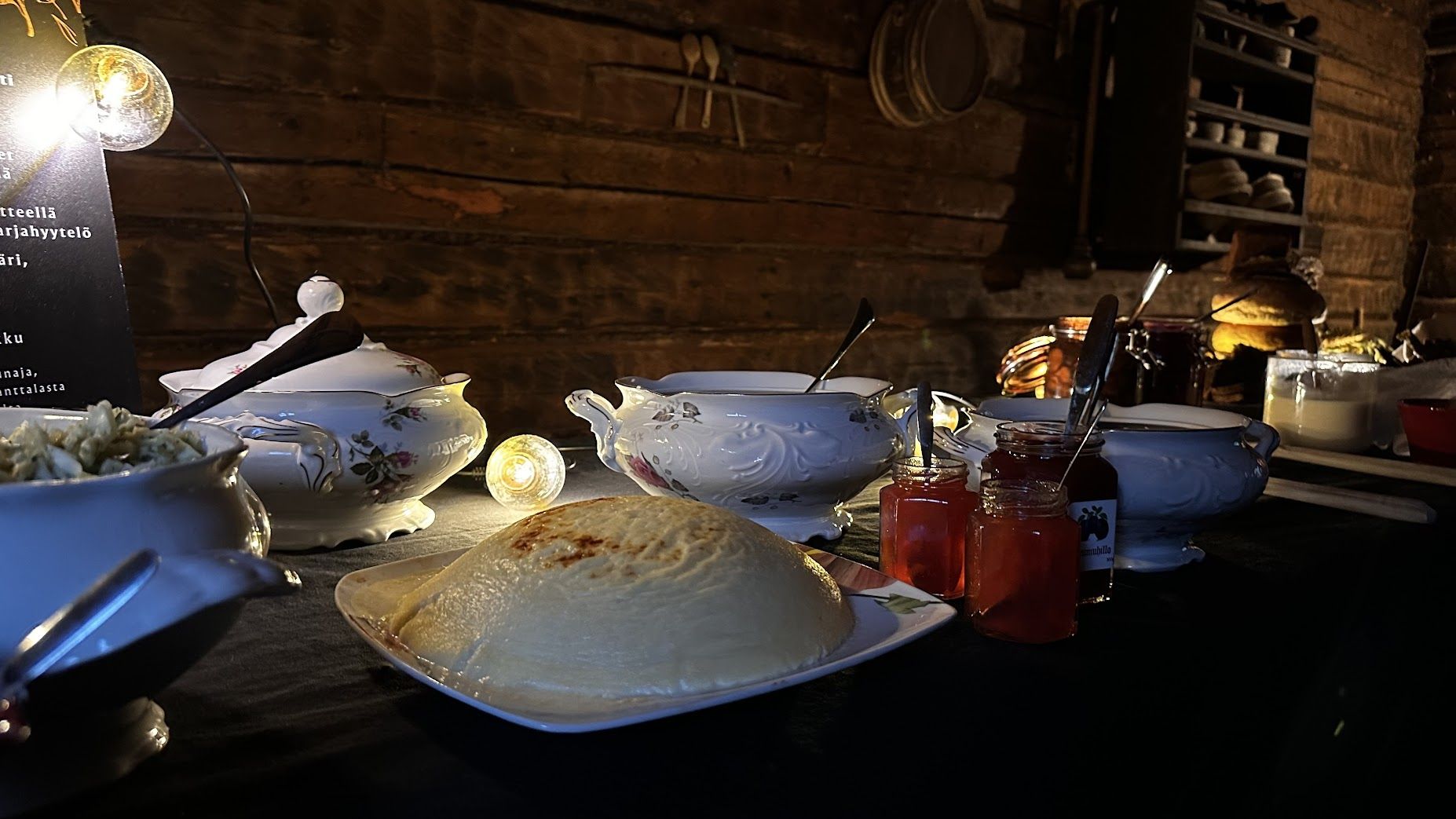
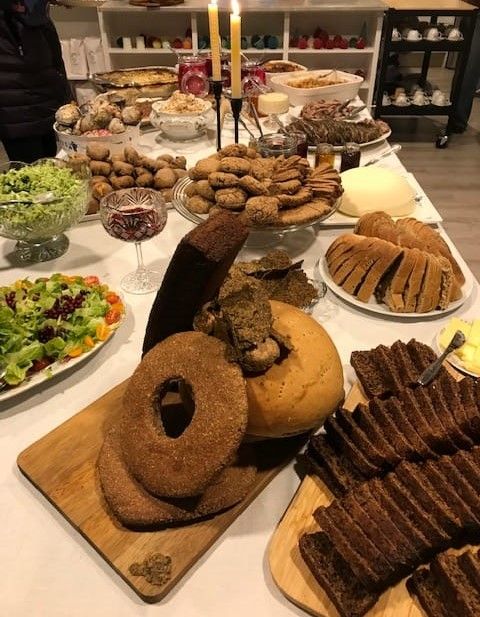
At the start of the Kekri evening, we share the story of the food — a story based on pure local ingredients, wild food, Häme culinary traditions, and reflections on what might have been eaten at a Janakkala cottage 200 years ago during Kekri. The entire meal is rooted in old traditions, adapted to Kekri 2026 and the modern palate. Diners are provided — perhaps unlike Kekri celebrations 200 years ago — with their own knife, fork, spoon, plate, drinking glass, and cup for hot beverages.Kekri delicacies, as in the past, come from nearby: green wild herbs, berries, cabbage, cheese, lake fish, root vegetables in many forms, fresh meat, pickled vegetables, bread, and farmhouse ale.
The magic of the New Year
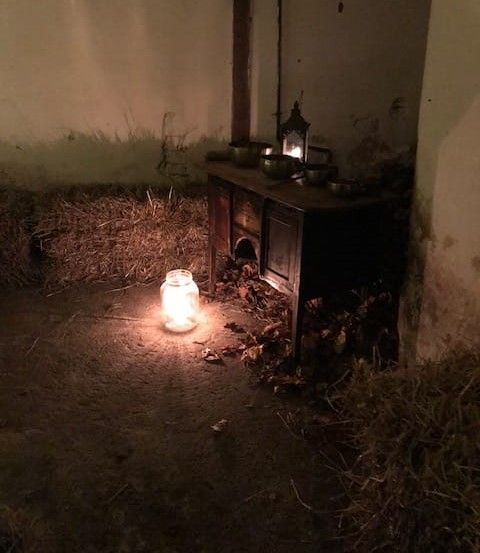
After the meal, Ilona, the forest spirit maiden, leads the group into a gentle and calming Kekri program. Have you ever traveled into Finnish mythological stories inside a candlelit sheepfold? With the Kekri gathering, you will. We cast worries and sorrows of the old year into the flames to turn them into ash. With beeswax casting, we predict good fortune for the year ahead. At the nature altar, everyone finds something meaningful to contemplate. How strong is your knowledge of agricultural history? We will discover that too during the evening.
After dinner, puzzling tasks in the yard, casting away old concerns, foretelling the future, journeys into the past, and observing nature lead participants into Kekri traditions — and perhaps the Köyri goat will appear, invited or not.
Sweetness and warmth
We return to the table to enjoy more abundance. Warm drinks feature dandelion root coffee substitute and herbal infusions of rose petals, clover blossoms, raspberry leaves, and wild herbs, while a light spiced drink carries notes of apple and honey. Served alongside is a cake titled Praise to the Harvest or When Abundance Is Enough. The cake includes a hint of carefully guarded spices from distant lands, caramel, seasonal lingonberry, cranberry, apple, and perhaps plum. Medieval nuns’ medicinal pancakes also make a fitting dessert.
Part of an ancient chain of generations
At the end of the evening, we walk with our own candle lanterns along a candlelit path to the Kekri fires to pause in reflection and hear a clear Finnish folk song sung by Selma through the gusting wind. Stars sparkle, the open landscape stretches wide, and the heart is filled with gratitude. We are part of an unbroken chain of generations.